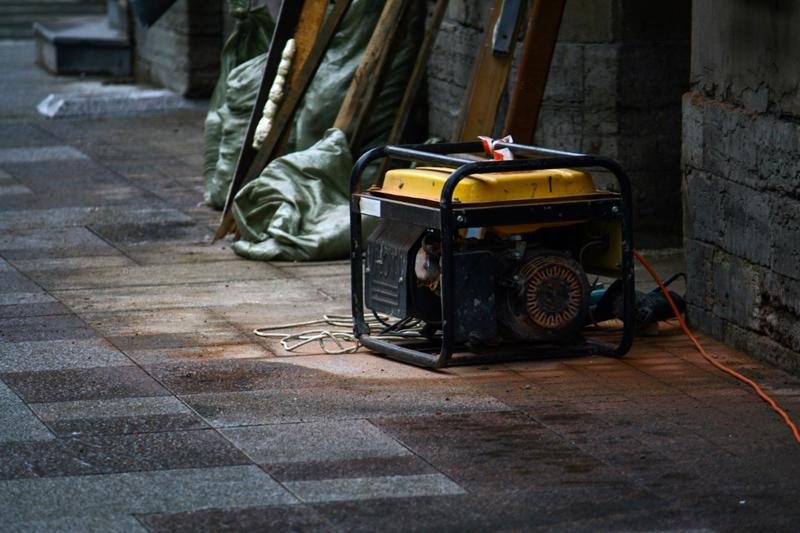
A CO2 generator can be an invaluable asset, whether you're optimizing plant growth in a greenhouse, powering industrial processes, or conducting specialized research. It provides that essential boost of carbon dioxide. But like any powerful tool, it demands respect, vigilance, and adherence to stringent safety protocols. Operating and Maintaining Your CO2 Generator Safely isn't just a best practice—it’s a fundamental requirement for protecting your investment, your environment, and most importantly, yourself and anyone nearby.
This isn't about fear-mongering; it's about empowerment. Understanding the ins and outs of your CO2 generator, from its first startup to its routine maintenance, ensures it runs efficiently, reliably, and without incident. We’re going to cut through the jargon and give you the straightforward, actionable advice you need to master your generator with confidence.
At a Glance: Key Takeaways for CO2 Generator Safety
- Ventilation is Non-Negotiable: Always operate your CO2 generator outdoors or in an exceptionally well-ventilated space to prevent dangerous carbon monoxide (CO) and CO2 buildup.
- Train and Understand: Ensure all operators are thoroughly trained on the specific hazards of your unit, including CO poisoning, fire, and electrical risks.
- Grounding and Stability: Proper setup on a stable surface with correct grounding is critical for electrical safety and preventing mechanical damage.
- Respect Load Limits: Overloading can lead to overheating, electrical faults, and fire—always operate within specified parameters.
- Routine Maintenance Saves Lives: Regular inspections, fluid changes, and electrical checks prevent failures and extend equipment life.
- PPE is Your Shield: Always use appropriate Personal Protective Equipment (PPE) like gloves and safety glasses during maintenance.
- Emergency Ready: Know your emergency shutdown procedure and keep a fire extinguisher accessible.
Understanding Your CO2 Generator: Power, Purpose, and Peril
CO2 generators, particularly those that produce carbon dioxide through the combustion of fossil fuels like propane or natural gas, are double-edged swords. They deliver the beneficial CO2 needed for various applications. However, this combustion process also produces carbon monoxide (CO)—a colorless, odorless, and highly toxic gas that displaces oxygen in the blood, leading to sickness, unconsciousness, and even death within minutes. This isn't just a minor risk; it's a fatal one, making preventing carbon monoxide poisoning a top priority.
Beyond CO, generators pose other significant dangers: electrical shocks from faulty wiring or improper grounding, fire hazards from fuel leaks or overheating, and mechanical injuries from moving parts during operation or maintenance. Ignoring these risks isn't an option. Instead, a deep understanding empowers you to mitigate them effectively.
Laying the Groundwork: Training and Preparation
Before you even think about firing up your CO2 generator, a crucial foundation must be laid: knowledge and preparedness.
Get to Know Your Machine, Inside and Out
Every CO2 generator model has its quirks, its specific operational parameters, and its unique safety features. Don't assume familiarity. Crack open that owner’s manual. Understand:
- Operational Controls: How to start, run, and shut down the unit safely.
- Fuel System: Where the fuel comes from (propane tank, natural gas line), how it connects, and how to check for leaks.
- Exhaust System: Where the exhaust gases (including CO and CO2) are expelled.
- Maintenance Schedule: What needs to be checked, and how often.
- Emergency Stops: The location and function of all emergency shut-off mechanisms.
The Indispensable Value of Comprehensive Training
Operating a CO2 generator should never be a learn-as-you-go process. All personnel who will interact with the generator—from daily operators to maintenance technicians—must receive comprehensive training. This isn't just a suggestion; it's a critical safety protocol.
Training should cover:
- Hazard Identification: Recognition of electrical, carbon monoxide, fire, and mechanical risks specific to your generator type.
- Mitigation Strategies: Detailed steps for preventing each identified hazard.
- Procedural Mastery: Step-by-step guidance on safe setup, operation, monitoring, and shutdown.
- Emergency Response: What to do in case of a malfunction, fuel leak, fire, or suspected CO exposure.
- PPE Usage: Correct selection, fitting, and use of all required Personal Protective Equipment.
Regular refresher training and protocol reviews are essential. Technology evolves, and so do best practices. Staying current keeps everyone safer.
Your Emergency Preparedness Playbook
Accidents don't plan ahead, but you can. Having a clear emergency plan in place is non-negotiable.
- Emergency Shutdown Procedure: Everyone should know how to perform an emergency shutdown procedure instantly. This means knowing where the kill switch is and how to activate it without hesitation. Practice it.
- Fire Extinguisher Readiness: Ensure you have the correct type of fire extinguisher (typically ABC-rated for general combustibles, flammable liquids, and electrical fires) readily accessible and properly charged. Check its pressure gauge regularly.
- CO Detectors are Lifesavers: Install UL-listed carbon monoxide detectors in any area where the generator might influence air quality (even indirectly). They should have audible alarms and be checked frequently. Don't rely solely on these; proper ventilation is the primary defense.
- First Aid and Communication: Know where the nearest first-aid kit is and have a clear communication plan for emergencies. Who do you call? What information do you provide?
For complex emergencies or when you're unsure, professional intervention is essential. Building a relationship with a reliable professional partner before an emergency occurs (like a specialized generator service company) can provide peace of mind and rapid response when it matters most.
Setting the Stage: Proper Placement and Setup
The location and initial setup of your CO2 generator are paramount for both safety and performance. Get this wrong, and you're inviting trouble.
Ventilation: Your First and Most Important Line of Defense
This cannot be stressed enough: NEVER operate a CO2 generator indoors without proper, dedicated, and purpose-built ventilation that exhausts directly outside. The ground truth is clear: CO2 generators that operate via combustion produce deadly carbon monoxide. Even in well-ventilated indoor spaces, CO can build up to dangerous levels quickly.
- Outdoors is Best: Whenever possible, place your CO2 generator outdoors, far away from windows, doors, and vents that could allow exhaust gases to re-enter occupied buildings.
- Dedicated Ventilation Systems: If indoor operation is absolutely unavoidable (e.g., specific industrial applications), the room must be equipped with a robust, positively pressured, and externally vented exhaust system designed specifically for the generator's output. This is not a task for DIY solutions; consult with HVAC and industrial ventilation experts.
- Clearance: Ensure ample clearance around the generator for air circulation and heat dissipation. Don't place it near flammable materials or in confined spaces.
Stable Grounding: More Than Just a Slogan
A wobbly generator isn't just an annoyance; it's a hazard. Vibrations can loosen connections, damage components, and lead to spills.
- Stable Surface: Always place the generator on a flat, firm, and level surface. Pavement or a concrete pad is ideal. Avoid soft ground where it might sink or tip over.
- Secure Placement: If necessary, secure the generator to prevent movement, especially if it's a portable unit that could be bumped or knocked.
- Grounding is Crucial: Proper grounding protects against electrical hazards, especially if there's a fault or lightning strike. Follow the manufacturer's instructions precisely for grounding your unit. This often involves connecting the generator's frame to an approved grounding rod. Ignoring critical electrical safety guidelines like proper grounding can have dire consequences.
Electrical Connections Start Here
Before connecting any loads, ensure all electrical connections are sound.
- Check Cords and Cables: Use only heavy-duty, outdoor-rated extension cords specifically designed for generator use, and ensure they are free from cuts, frays, or damage.
- Load Management: Understand the power requirements of the devices you're connecting. Never daisy-chain extension cords or plug the generator directly into a home's electrical system without a professionally installed transfer switch. Backfeeding power into utility lines is incredibly dangerous for utility workers and your neighbors.
Mastering Daily Operations: Running Your CO2 Generator Safely
Once your CO2 generator is correctly set up, safe operation becomes a daily discipline. Each time you use it, you're responsible for ensuring it runs smoothly and without risk.
Know Your Start-Up and Shut-Down Rituals
Every generator has a specific sequence for starting and stopping. Deviating from these can cause damage or create dangerous conditions.
- Pre-Start Checklist: Before starting, always check fuel levels, oil levels (for combustion engines), and ensure all connections are secure.
- Starting Procedure: Follow the manufacturer's specific steps, which typically involve turning on the fuel supply, engaging the choke (if applicable), and then starting the engine. Never attempt to start a generator that is already under load.
- Loading Procedure: Once the generator is running smoothly, connect your load. Connect smaller loads first, then larger ones.
- Shut-Down Procedure: Disconnect loads first, allow the generator to cool down, and then follow the prescribed shutdown sequence (e.g., turning off fuel, then the ignition).
Respecting Load Limits: The Overload Trap
CO2 generators, like all generators, have defined power output limits. Pushing beyond these limits, known as "overloading," is a surefire way to invite trouble.
- Symptoms of Overload: Dimming lights, struggling engine sounds, or circuit breakers tripping are all signs of an overloaded generator.
- Consequences: Overloading can lead to overheating, which in turn can cause internal damage, electrical faults, or even fire. It also shortens the lifespan of your generator dramatically.
- Calculate Your Needs: Always sum the wattage of all devices you intend to power and ensure it falls comfortably within your generator's continuous running wattage capacity, not just its surge wattage.
Weathering the Storm: Outdoor Use Considerations
While outdoor placement is ideal for ventilation, it also exposes your generator to the elements.
- Avoid Wet Conditions: Never operate your CO2 generator in rain, snow, or excessively damp conditions without proper protection. Water and electricity are a deadly combination, leading to electrocution.
- Generator Covers: If outdoor use in adverse conditions is unavoidable, invest in a generator-specific, weatherproof cover. Crucially, ensure the cover is designed to not impede ventilation or exhaust flow. A cover that traps heat or exhaust gases is just as dangerous, if not more so.
Monitoring for Trouble Signs
Your generator often communicates problems before they become critical failures. Pay attention.
- Unusual Noises: Rattling, knocking, or grinding sounds indicate mechanical issues.
- Smoke or Odors: Any unusual smoke (especially black or blue) or the smell of burning plastic or fuel requires immediate shutdown and investigation.
- Performance Drops: A sudden decrease in power output or erratic operation suggests a problem.
- Fuel Leaks: Visibly checking for fuel leaks is vital. If using propane, a soapy water solution can reveal tiny gas leaks.
Trust your senses. If something feels or sounds off, err on the side of caution and investigate.
The Lifeline of Longevity: Proactive Maintenance Protocols
Regular maintenance isn't just about keeping your CO2 generator running; it's about keeping it running safely. A well-maintained generator is a predictable generator, minimizing unexpected failures and hazards.
Your Regular Inspection Checklist
Consistency is key. Develop and adhere to a thorough maintenance checklist based on your manufacturer's recommendations and your usage patterns.
- Before Each Use: Check fuel and oil levels, inspect external components for damage, and ensure all vents are clear.
- Every 50-100 Hours (or Seasonally):
- Change the engine oil.
- Check and clean/replace the air filter.
- Inspect spark plugs.
- Check fuel lines for cracks or leaks.
- Annually (or Every 200-300 Hours):
- Perform a thorough inspection of all electrical connections.
- Inspect the exhaust system for blockages or damage.
- Check battery terminals (if applicable) for corrosion.
- Test safety features (e.g., low oil shutdown).
The Right Tools and Gear: Why PPE Isn't Optional
When performing maintenance, Personal Protective Equipment (PPE) isn't a suggestion; it's a requirement to protect yourself from fluids, hot components, and potential electrical hazards.
- Gloves: Chemical-resistant gloves are essential when handling fuel, oil, or cleaning agents. Work gloves protect against scrapes and minor burns.
- Safety Glasses/Goggles: Always wear eye protection to shield against splashes, debris, or unexpected bursts of fluid.
- Mask (If Needed): If you're cleaning dusty filters or working in an environment with fumes, a respiratory mask can protect your lungs.
- Hearing Protection: Prolonged exposure to generator noise can damage hearing; use earplugs or earmuffs during operation and extended maintenance.
Fluid Checks and Replacements: The Lifeblood of Your Machine
For combustion-based CO2 generators, oil and fuel are its lifeblood.
- Oil Changes: Regular oil changes are paramount. Dirty oil reduces lubrication, causes wear, and leads to overheating. Always use the manufacturer-recommended oil type and weight.
- Air Filter Replacements: A clean air filter ensures proper airflow for combustion, preventing the engine from running "rich" (too much fuel, not enough air), which can lead to incomplete combustion and higher CO production.
- Fuel Quality: Use fresh, clean fuel. Old or contaminated fuel can clog carburetors or fuel injectors, leading to erratic performance or breakdown. Always store fuel safely and according to regulations. Consider adding a fuel stabilizer if the generator sits unused for extended periods. Understanding safe fuel storage practices is vital.
Electrical Connections: Cleanliness is Key
Corrosion and loose connections are silent killers of electrical systems, leading to resistance, heat buildup, and potential fires.
- Routine Checks: Regularly inspect all electrical connections, including battery terminals, wiring harnesses, and output receptacles.
- Cleanliness: Keep connections clean and free of dirt, debris, or corrosion. Use a wire brush for battery terminals and specialized electrical contact cleaner where appropriate.
- Tighten: Ensure all connections are snug. Loose connections can generate heat and arc, posing a serious fire risk.
When to Call in the Pros
While routine maintenance is often manageable for the informed owner, some tasks are best left to experts.
- Complex Repairs: If you're dealing with internal engine issues, significant electrical faults, or problems with the CO2 generation mechanism itself, it's time to call a qualified technician.
- Warranty Concerns: Attempting complex repairs yourself might void your warranty.
- Specialized Knowledge: Companies like Hatton Power & Propulsion, mentioned in our research, exemplify the kind of specialized expertise you might need for advanced diagnostics or repairs. Engaging such professionals ensures the work is done correctly and safely, adhering to industry standards. Don't gamble with safety to save a few dollars on a difficult repair.
Common Questions & Misconceptions About CO2 Generator Safety
Let's tackle some frequently asked questions that highlight common pitfalls and misunderstandings.
"Can I run my CO2 generator indoors if I just open a window?"
Absolutely not. Opening a window or door does not provide adequate ventilation for a combustion-based CO2 generator. Carbon monoxide can quickly reach lethal levels, even in seemingly well-ventilated indoor spaces. Exhaust fumes can swirl back inside, or simply build up faster than they can dissipate. Always operate outdoors or in a purpose-built, externally vented enclosure designed by experts.
"How often should I really change the oil?"
The "right" answer always comes from your generator's owner's manual. However, a general rule of thumb for most smaller combustion engines is every 50-100 hours of operation, or at least once per season, whichever comes first. If your generator operates in dusty conditions or under heavy loads, more frequent changes are advisable.
"What's the most common CO2 generator accident?"
For combustion-based CO2 generators, the most common and deadliest accident is carbon monoxide poisoning due to improper ventilation or indoor use. Other common incidents include electrical shocks from faulty wiring or inadequate grounding, and fires caused by fuel spills, overheating, or overloading.
"Can I use regular car gasoline in my propane-fueled CO2 generator?"
No! Never use a fuel type not specified by the manufacturer. Using the wrong fuel can severely damage the engine, void your warranty, and create extremely dangerous operating conditions, including fire or explosion. Always double-check your generator's fuel requirements.
Beyond the Basics: Advanced Safety Considerations
As you grow more familiar with your CO2 generator, you might explore additional ways to enhance safety and efficiency.
Automated Shutdown Systems
Many modern CO2 generators come equipped with advanced safety features. Look for models with:
- Low Oil Shutdown: Automatically turns off the engine if oil levels drop too low, preventing catastrophic engine damage.
- CO Sensors with Auto-Shutdown: Some generators integrate CO sensors that will automatically shut down the unit if dangerous carbon monoxide levels are detected in the vicinity. This is an excellent secondary safety measure but never a substitute for proper ventilation.
- Overload Protection: Circuit breakers that trip if the generator is overloaded, preventing damage to the unit and connected appliances.
Integrating with Smart Systems
For greenhouse or industrial applications, integrating your CO2 generator with environmental monitoring systems can provide an extra layer of safety and control. These systems can monitor CO2 levels (for optimal plant growth and human safety if levels get too high), CO levels, temperature, and humidity, allowing for automated adjustments or alerts if conditions become unsafe. This level of smart control provides both operational efficiency and enhanced safety.
Your Ongoing Commitment to Safety and Performance
Operating and maintaining your CO2 generator safely isn't a one-time task; it's an ongoing commitment. It requires continuous vigilance, adherence to best practices, and a proactive approach to potential hazards. By investing in proper training, diligently following setup and operational guidelines, and maintaining a rigorous maintenance schedule, you ensure your CO2 generator operates at peak performance for years to come, without ever compromising safety.
Remember, your generator is a powerful tool. Treat it with the respect it deserves, and it will serve you reliably and efficiently. For a deeper dive into all aspects of these essential tools, explore Your complete CO2 generator guide. Stay safe, stay smart, and keep your generator humming along responsibly.