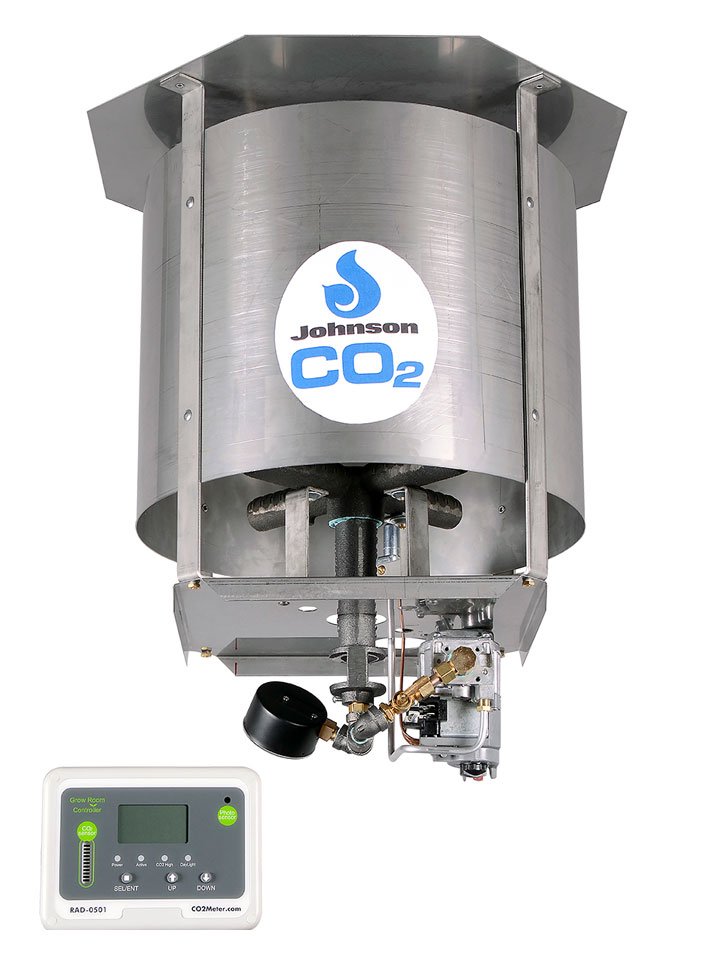
Elevating your crops from "good" to "phenomenal" often comes down to mastering environmental controls, and few elements are as critical, yet often overlooked, as carbon dioxide. For plants, CO2 isn't just air; it's fuel. And when you're serious about boosting growth, yields, and overall plant health, you start looking into supplemental CO2 solutions. But which one? The market offers a few strong contenders, and comparing CO2 generators with other CO2 solutions reveals some critical differences that can make or break your growing operation.
This isn't about generic advice; it's about giving you the insights you need to make an informed, confident choice for your specific setup. Let's dive in.
At a Glance: Your Quick CO2 Solutions Cheat Sheet
- CO2 Generators: Best for medium to large-scale operations. Offer a continuous, cost-effective supply of CO2 by burning fuel, but require robust ventilation and safety protocols.
- Compressed CO2 Tanks: Ideal for smaller, controlled environments. Provide pure, precise CO2 but need frequent refills, increasing ongoing operational hassle and cost per cubic foot.
- Fermentation/Organic CO2: Budget-friendly and low-tech. Suitable for very small, hobbyist setups, but offer inconsistent CO2 output and minimal control.
- Liquid CO2 Injection (often linked to compressed tanks): Utilizes super-cooled liquid CO2 for highly precise, on-demand delivery, but systems can be complex and expensive initially.
- The Right Choice: Depends heavily on your grow space size, budget, desired control precision, and commitment to safety and maintenance.
Why Plants Crave More CO2: The Photosynthesis Power-Up
Imagine your plants as tiny solar-powered factories. Sunlight is the energy, water and nutrients are raw materials, and carbon dioxide is the most crucial atmospheric ingredient. Through photosynthesis, plants absorb CO2 to create sugars – their energy source for growth, flowering, and fruiting.
While ambient CO2 levels typically hover around 400 parts per million (ppm), pushing that concentration to an optimal range of 1,000-1,500 ppm can dramatically accelerate this process. This isn't just a minor tweak; it can lead to faster vegetative growth, larger fruits and flowers, increased nutrient uptake efficiency, and even enhanced resistance to certain stressors. The key, of course, is that light, temperature, humidity, and nutrients are also optimized. Without those, extra CO2 is like giving a car more fuel but no spark plugs – useless. For a deeper dive into optimal levels, check out understanding CO2 PPM levels.
The Workhorse: How CO2 Generators Fuel Growth
CO2 generators are exactly what they sound like: devices that generate CO2. Their mechanism is elegantly simple: they burn hydrocarbon fuel (most commonly propane or natural gas) in a controlled manner. This combustion reaction produces carbon dioxide (CO2), water vapor, and heat.
The Science Under the Hood:
Think back to chemistry class: Fuel + Oxygen → Carbon Dioxide + Water + Heat.
For propane, it looks like this: C3H8 + 5O2 → 3CO2 + 4H2O + heat.
This process is carefully engineered to maximize CO2 production while minimizing undesirable byproducts like carbon monoxide (CO), though proper ventilation and monitoring are always non-negotiable.
What Makes Them Tick?
A typical CO2 generator system includes:
- Fuel Supply: Propane tanks or a natural gas line.
- Burner Assembly: Where the controlled combustion happens.
- Ignition System: To start the burning process.
- Control Panel: For adjusting CO2 output (often tied to desired ppm levels).
- Exhaust Outlet: Directs the CO2 and water vapor into your grow space.
- Safety Sensors: Crucial for detecting any gas leaks or unsafe CO levels.
Where They Shine: Benefits of CO2 Generators - Continuous Supply: As long as fuel is available, the generator keeps producing CO2, ideal for large, always-on operations.
- Cost-Effectiveness (Scalable): For medium to large grow spaces (e.g., commercial greenhouses or expansive indoor gardens), the cost per cubic foot of CO2 generated often beats buying compressed tanks, especially over time.
- Ease of Integration: Modern generators are designed for seamless integration with environmental controllers, allowing automated CO2 dosing based on sensor readings and light cycles.
- Heat Byproduct: In cooler climates or during winter, the heat produced can be a secondary benefit, helping to maintain ambient temperatures.
The Flip Side: Considerations & Safety First
Operating a CO2 generator isn't set-it-and-forget-it. You're dealing with combustion and fuel: - Ventilation is Key: You must have adequate ventilation to prevent carbon monoxide buildup and ensure sufficient oxygen for combustion.
- CO Monitoring: Carbon monoxide alarms are non-negotiable.
- Oxygen Depletion Sensors: In enclosed spaces, continuous burning can deplete oxygen. Sensors are critical.
- Maintenance: Regular inspection of the generator and fuel lines is essential.
- Humidity Increase: The water vapor produced can raise humidity levels, which might require additional dehumidification in some setups.
- Initial Investment: While cost-effective long-term, the upfront cost of the generator, fuel lines, and safety equipment can be substantial.
These aren't scare tactics; they're essential operational realities. For more specific guidance on these measures, consult critical CO2 safety measures.
The Other Players: Alternative CO2 Solutions
While generators hold a strong position, they're not the only game in town. Let's look at the other ways growers introduce supplemental CO2.
1. Compressed CO2 Tanks (The Go-To for Precision)
This is perhaps the most common alternative, especially for smaller to medium-sized grow rooms. You use a heavy, industrial-grade cylinder filled with pure compressed CO2.
How it Works: The tank connects to a pressure regulator and a flowmeter. The regulator reduces the high pressure from the tank to a manageable level, and the flowmeter allows you to control the release rate (e.g., cubic feet per hour). Often, a solenoid valve and a CO2 controller are integrated to automate the release, turning it on and off to maintain target ppm levels.
Pros:
- Purity: You're delivering pure CO2, with no combustion byproducts like heat or water vapor.
- Precision Control: When paired with a good controller, these systems offer extremely precise CO2 dosing.
- Clean Operation: No burning, no open flames, minimal heat, no added humidity.
- Relatively Simple Setup: Initial installation is straightforward.
Cons: - Refills, Refills, Refills: The biggest drawback. Tanks need frequent refilling, which can be a logistical headache and adds to operational costs and labor.
- Higher Ongoing Cost (per cubic foot): The cost of buying and refilling tanks generally makes this a more expensive option per cubic foot of CO2 compared to generators for larger scales.
- Asphyxiation Risk: While no CO is produced, a large CO2 leak in an enclosed space can rapidly deplete oxygen, posing an asphyxiation hazard.
- Tank Storage: Tanks are bulky and heavy, requiring secure storage.
2. Fermentation-Based & Organic CO2 Sources (The DIY Approach)
These methods rely on natural biological processes to produce CO2.
How it Works:
- Yeast Fermentation (DIY): You can mix yeast, sugar, and water in a container. As the yeast consumes the sugar, it produces CO2 and alcohol. This is often done with airlocks to ensure a slow, steady release.
- Mushroom Bags/CO2 Bags: These are commercially available bags containing mycelium (mushroom spawn) or other organic materials that slowly release CO2 as they break down.
- Compost Piles: A large, actively decomposing compost pile can generate significant CO2, though it's typically impractical for direct grow room enrichment due to smell, pests, and uncontrolled release.
Pros: - Low Cost/Budget-Friendly: Often the cheapest upfront investment, especially for DIY yeast systems.
- Simple & Natural: No complex machinery, fuel, or high-pressure tanks.
- No Heat or Dangerous Byproducts: Generally very safe regarding combustion risks.
Cons: - Inconsistent Output: This is the biggest Achilles' heel. You have very little control over the rate of CO2 production, which fluctuates with temperature, age of the culture, and nutrient availability.
- Limited Scale: Only suitable for very small grow tents or micro-gardens. The CO2 output is simply not enough for anything larger.
- Short Lifespan: Yeast systems need frequent refreshing; mushroom bags deplete over weeks.
- Odor/Pest Concerns: Some organic methods can produce mild odors or, if not managed well, attract pests.
3. Liquid CO2 Injection Systems (The High-Tech Niche)
This method is essentially an advanced version of compressed tanks, but typically refers to systems designed for precision in highly controlled environments, sometimes involving bulk liquid CO2 storage.
How it Works: Instead of drawing from a gas cylinder, these systems often use larger, insulated tanks that store CO2 as a liquid under pressure. This liquid is then vaporized and precisely injected into the grow space via a sophisticated manifold and control system.
Pros:
- Very High Purity & Consistency: Unparalleled precision and reliability in CO2 delivery.
- Large Scale Capability: Bulk liquid tanks can supply very large operations without the constant swapping of cylinders.
- Automated & Integrated: Designed for advanced environmental control systems.
Cons: - High Initial Cost: These are the most expensive systems to install, requiring specialized equipment and plumbing.
- Complex Installation & Maintenance: Not a DIY project; requires professional installation and specialized servicing.
- Safety Concerns: Handling bulk liquid CO2 requires stringent safety protocols due to extreme cold and the risk of rapid gas expansion.
Head-to-Head: Choosing Your CO2 Champion
Now, let's put these solutions side-by-side to help you weigh your options based on common grower priorities.
| Feature | CO2 Generators | Compressed CO2 Tanks | Fermentation/Organic CO2 |
|---|---|---|---|
| Ideal Scale | Medium to Large (greenhouses, commercial grow rooms) | Small to Medium (grow tents, small indoor gardens) | Very Small (hobby tents, single plant setups) |
| CO2 Output | Continuous, high volume, adjustable | Pure, precise, on-demand, consistent once set | Inconsistent, low volume, hard to control |
| Initial Cost | Moderate to High | Low to Moderate (tank + regulator + controller) | Very Low (DIY) to Low (commercial bags) |
| Running Cost | Low (fuel cost) - very cost-effective for large scale | Moderate to High (frequent refills) | Very Low (sugar, yeast, replacement bags) |
| Control/Precision | Good, especially with controllers | Excellent, highly precise | Poor to Non-existent |
| Maintenance | Moderate (burner cleaning, fuel line checks) | Low (system checks, tank swaps) | High (frequent refreshing of batches/bags) |
| Safety Concerns | CO risk, oxygen depletion, fire hazard (fuel) | Asphyxiation risk (leak), heavy tanks | Minimal (some odor/pest potential) |
| Byproducts | Heat, water vapor | None | Minimal (some alcohol/odor from fermentation) |
| Best For... | Growers needing high volume, long-term, cost-efficient CO2 in larger spaces. | Growers needing precise, clean CO2 for smaller, controlled environments. | Hobbyists with tiny spaces and minimal budget, willing to accept inconsistency. |
When to Seriously Consider a CO2 Generator
You're likely a candidate for a CO2 generator if:
- Your Grow Space is Medium to Large: We're talking 10x10 feet and up, or multiple grow tents that add up to a significant volume. The economics really start to favor generators here.
- You Prioritize Long-Term Cost-Effectiveness: While the upfront cost is higher, the per-unit cost of CO2 for a generator tends to be lower than compressed tanks over time.
- You Have Robust Ventilation & Safety Infrastructure: If you're already set up for good air exchange and committed to installing proper CO/oxygen monitoring, a generator integrates well.
- You Can Manage the Heat/Humidity: If your HVAC system can handle the added heat and water vapor, or if the heat is a benefit in cooler months.
For anyone serious about year-round production in larger spaces, understanding All about CO2 generators is a crucial first step.
When Compressed Tanks Win Out
- Small, Enclosed Grow Tents or Rooms: Up to a 5x5 or 8x8 tent, compressed tanks offer the perfect balance of precision and manageable output without the combustion concerns.
- You Demand Absolute Purity: No byproducts means a cleaner environment.
- Precision is Paramount: You want to dial in exact ppm levels and trust the delivery.
- You Don't Mind Tank Swaps: If your operation can easily accommodate routine tank refills, this is a very viable option.
When Organic Methods Make Sense
- Nano-Grows or Micro-Hobbyists: If you have a single plant, a tiny closet grow, or just want to experiment on a shoestring budget.
- Learning or Experimenting: It's a low-risk way to understand the concept of CO2 enrichment without significant investment.
Making Your Choice: Beyond the Spec Sheet
Choosing the best CO2 solution isn't just about price or output; it's about fitting the system to your unique growing philosophy and practical constraints.
- Evaluate Your Scale: This is perhaps the single biggest determinant. A small tent simply doesn't need or justify a commercial CO2 generator. A large greenhouse will quickly make compressed tanks an expensive nightmare.
- Budget: Upfront vs. Ongoing: Consider both. A generator has a higher initial cost but lower per-unit CO2 cost. Tanks are cheaper to start but pricier to run long-term.
- Control and Precision Needs: How critical is it to maintain exact CO2 levels? If you're growing high-value crops, precision might outweigh cost. For robust, less finicky plants, a wider range might be acceptable.
- Environmental Management: Can your existing HVAC and dehumidification systems handle the extra heat and humidity from a generator? Or do you prefer the clean, no-byproduct approach of compressed CO2?
- Safety Commitment: Are you prepared to implement the rigorous safety protocols required for generators (CO alarms, ventilation) or for compressed tanks (leak detection, secure storage)?
- Maintenance & Labor: How much time and effort are you willing to invest in maintenance, tank swaps, or refreshing organic batches?
Thinking through these factors will bring immense clarity. For a more tailored breakdown, consider delving into choosing the right CO2 enrichment system.
Common Questions & Misconceptions
Q: Do I really need CO2 enrichment?
A: Not all growers need it. If your light levels are low, or other environmental factors (like temperature or humidity) aren't optimized, supplemental CO2 won't deliver its full benefits. It's an enhancement, not a magic bullet. For truly pushing yields, however, it's often essential.
Q: Can too much CO2 harm my plants?
A: While plants can tolerate very high CO2 levels (far beyond 1500 ppm), there's a point of diminishing returns. Excess CO2 won't necessarily harm the plant directly, but it won't provide additional benefit and is a waste of resources. More importantly, excessively high CO2 in an enclosed space can be dangerous to humans.
Q: What about CO2 pads or tablets?
A: These are essentially slow-release, very low-output forms of organic CO2. They offer minimal, localized CO2 enrichment and are generally not effective for anything beyond a tiny, unsealed grow space. Their impact is often negligible compared to active CO2 injection.
Q: How do I know how much CO2 I'm adding?
A: You must use a reliable CO2 monitor/sensor. This is non-negotiable for any active CO2 enrichment system (generators or tanks). These devices provide real-time ppm readings, allowing you to adjust your system and ensure safety.
Q: Is the heat from a CO2 generator always a bad thing?
A: Not always. In colder climates or during winter, the heat byproduct can reduce heating costs. However, in warmer environments or during peak summer, it can exacerbate heat stress and necessitate additional cooling, adding to energy bills. This is a critical factor in weighing the costs and benefits of CO2 enrichment.
The Optimal Path: Aligning Solution with Ambition
No single CO2 solution is universally "best." The right choice is the one that aligns perfectly with your specific growing goals, operational realities, and budget.
- For the Serious Commercial Grower or Large Greenhouse Operator: A CO2 generator is typically the most efficient, cost-effective, and scalable choice, provided you implement robust safety and ventilation measures.
- For the Dedicated Indoor Grower with a Medium-Sized Space (e.g., a few tents or a dedicated room): Compressed CO2 tanks offer the precision and cleanliness often desired, making them a strong contender, assuming you can manage refills.
- For the Hobbyist with a Small Tent or a "Just for Fun" Setup: Fermentation-based or organic CO2 solutions can offer a low-cost entry point, but be realistic about their limited impact and inconsistency.
Ultimately, your goal is to create an environment where your plants don't just survive, but truly thrive. This means meticulously optimizing CO2 in your grow room alongside all other environmental factors. With the right CO2 solution in place, you’re not just adding a gas; you’re unlocking your plants’ full genetic potential, driving them towards bigger, healthier, and more abundant yields.