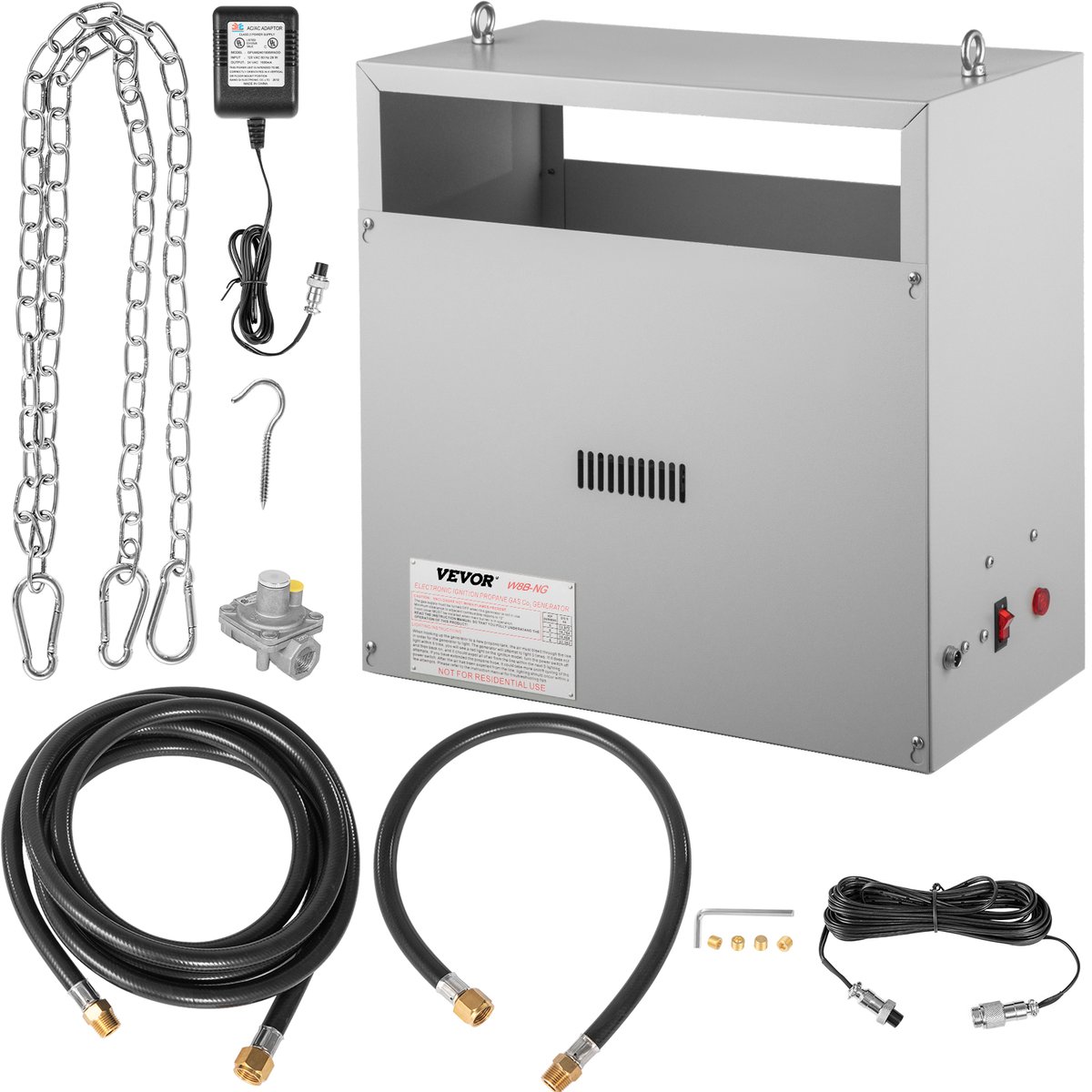
Imagine giving your indoor plants a superpower – an invisible boost that accelerates their growth, amplifies their yields, and even helps them withstand challenging conditions. That's precisely what a CO2 generator can do. For serious indoor growers, from hobbyists nurturing a small grow tent to commercial operations managing expansive greenhouses, optimizing the atmospheric conditions for plants is key to unlocking their full potential. And at the heart of that optimization often lies controlled carbon dioxide enrichment.
This guide is your ultimate hub for understanding everything about CO2 generators, a powerful tool designed to elevate your indoor garden. We'll explore how these ingenious devices work, why they're so effective, and how to integrate them seamlessly into your setup for astonishing results.
The Secret Ingredient: Why Your Plants Crave More CO2
At its core, plant life hinges on photosynthesis, the incredible process where plants convert light energy into chemical energy, using water and carbon dioxide. Think of CO2 as vital fuel; without enough of it, even with perfect lighting and nutrients, your plants hit a growth ceiling. Most natural outdoor air contains around 400-450 ppm (parts per million) of CO2, but indoor spaces often have even less.
Introducing supplemental carbon dioxide, typically elevating levels to between 1000-1500 ppm, dramatically supercharges this process. Plants grow faster, develop stronger structures, and produce significantly higher yields. They even become more resilient to temperature fluctuations, which can be a game-changer in a controlled environment. To truly grasp the profound impact of this atmospheric enhancement, you'll want to dive deeper into Understanding CO2 Enrichment for Plant growth.
Unveiling CO2 Generators: How They Work Their Magic
A CO2 generator, often referred to as a CO2 burner, is a stationary unit engineered to produce carbon dioxide through the combustion of a fuel source. Typically, this fuel is either natural gas or liquid propane. When the generator burns these gases, it releases CO2 as a primary byproduct, along with a small amount of heat and water vapor. This CO2 then disperses throughout your grow room or tent, raising the ambient concentration to the desired levels for your thriving plants.
Unlike other methods, generators offer a continuous, controlled supply of CO2, making them a favored choice for consistent, high-performance growing. This steady delivery is crucial for maintaining optimal conditions throughout the plant's life cycle.
Exploring Your Options: The Diverse World of CO2 Generators
When considering a CO2 generator, you'll quickly discover a range of models designed to suit different needs and setups. The primary distinction often lies in the fuel type, with both natural gas and liquid propane generators offering distinct advantages depending on your access and preferences.
From compact units like the MiniGen water-cooled generator, ideal for smaller grow areas, to robust systems like the VEVOR CO2 Burner (8 Brass Burner) capable of covering expansive spaces, the options are plentiful. Some, like the AutoPilot APGN0400, even offer dual-working systems for both LP and NG. Understanding the nuances of these different systems is essential for making an informed decision, and you can explore more about Types of CO2 Generators for your specific cultivation goals.
Making the Smart Choice: Key Factors for Your Grow Space
Selecting the perfect CO2 generator isn't a one-size-fits-all decision. It involves carefully matching the generator's capabilities with the unique demands of your growing environment. Getting this right ensures maximum efficiency, safety, and return on your investment.
Key Considerations for Your Purchase:
- Grow Area Size & CO2 Output: This is paramount. A 10x10-foot tent might need 10-15 cubic feet per hour (CFH) capacity, while larger rooms demand more powerful units like an LTL CO2 Generator with multiple burners. Models like the Sentinel VCG-6 are excellent for covering 3-6 CFH effectively.
- Fuel Type: Your choice between natural gas or liquid propane often depends on availability and cost efficiency in your location. Natural gas usually requires a fixed line, while propane offers more portability.
- Safety Features: Prioritize models with electronic ignition control, automatic tip-over switches, and dual solenoid valves to prevent gas leaks. Error indicator lights, as seen on the AutoPilot APGN0400, are also vital for immediate problem detection.
- Material Durability: Look for robust constructions in steel, brass, and other metals that resist rust, corrosion, and wear, ensuring longevity. The VEVOR CO2 Burner, for instance, boasts a galvanized powder-coated shell and 304 stainless steel.
- Compatibility: Ensure the generator integrates smoothly with your existing setup, including regulators, hoses, and power cords.
- Valve & Gauge Type: Precision flow valves and clear, easy-to-read gauges are non-negotiable for accurate CO2 distribution and monitoring.
- Display & Sensor: Digital displays and responsive sensors provide real-time, accurate CO2 level monitoring, helping you maintain the optimal 1000-1500 ppm range.
- Warranty & Price: Aim for at least a one-year warranty. Consider not just the upfront cost, but also the long-term operating expenses, as CO2 generators often offer significant savings over tank refills.
Delving into these factors will empower you to find a generator that not only fits your budget but also elevates your grow. For a detailed breakdown of how these considerations translate into specific product recommendations and expert advice, consult our guide on How to choose a CO2 generator.
Bringing It to Life: Installation and Setup Essentials
Once you've selected your ideal CO2 generator, the next step is a thoughtful installation. Proper setup is crucial for both efficiency and safety, ensuring your plants receive the benefits without any hitches. Remember that CO2 is heavier than air, so strategic placement is key for even distribution.
Here’s a simplified overview of the setup process:
- Select the Right Generator: You've already done this by matching its output to your grow tent's size and your plants' needs.
- Install Location: Position the generator above your plant canopy. As CO2 is heavier than air, it will naturally cascade down onto your plants, ensuring uniform enrichment.
- Connect Power and Fuel: Securely connect the generator to its power source and either your propane or natural gas supply, following all manufacturer guidelines.
- Install Monitor/Controller: Integrate a CO2 monitor/controller. This device is your eyes and ears, measuring ambient CO2 levels and regulating the generator to maintain your target 1000-1500 ppm.
- Ensure Ventilation: While enriching with CO2, remember that plants also require fresh air exchange. Ensure your grow tent has adequate ventilation to manage temperature, humidity, and stale air.
- Test and Monitor: After initial setup, rigorously test the system and continuously monitor CO2 levels over several days to confirm consistent concentration throughout your grow space.
For step-by-step instructions, essential safety checklists, and tips for optimizing your environment from day one, our guide on CO2 Generator Installation and Setup is your go-to resource.
Sustained Success: Operating and Maintaining Your Generator Safely
Operating a CO2 generator effectively means more than just turning it on; it involves consistent monitoring and smart management. While these units are designed to be safe, understanding proper usage and maintenance is crucial for protecting your plants, your equipment, and yourself. Regular checks of fuel lines, burner cleanliness, and controller calibration will ensure peak performance.
Be mindful that CO2 generators produce heat as a byproduct of combustion. For example, some models like the Titan Controls Ares 4, while highly effective, may not be ideal for summer use without robust cooling solutions. Proper ventilation management is therefore vital to balance CO2 enrichment with temperature control. To keep your system running smoothly and safely for years to come, make sure to read our dedicated pillar on Operating Your CO2 Generator Safely.
Beyond Generators: Exploring Other CO2 Enrichment Methods
While CO2 generators offer a powerful and consistent solution for elevating CO2 levels, it's worth understanding the alternatives. Each method comes with its own set of advantages and drawbacks:
- Compressed CO2 Tanks: These provide precise control and are easy to set up. However, they incur ongoing costs for refills and, like any pressurized gas, require careful handling to mitigate safety risks.
- Fermentation: A natural and inexpensive method, fermentation kits produce CO2 through microbial activity. The main drawback is a lack of precise control over CO2 levels, with inconsistent production rates.
- Growing Mushrooms: Cultivating certain mushroom varieties can naturally increase CO2 in a grow space. However, this introduces additional moisture and requires careful management to avoid fungal contamination in your plant crop.
- Ventilation with Outside Air: Simply ventilating your grow space with outdoor air can introduce some CO2. While cost-effective, it's often insufficient for achieving optimal enrichment levels for plant growth, especially in urban areas where outdoor CO2 concentrations might already be low.
Unlock Your Garden's Full Potential
A CO2 generator is more than just a piece of equipment; it's an investment in the vitality and productivity of your indoor garden. By understanding how they work, choosing the right model, and implementing it correctly, you can dramatically transform your cultivation results. Ready to see your plants thrive like never before? Dive into our supporting pillar guides to become a CO2 enrichment master and elevate your indoor growing to professional levels.